
For many migrant workers leaving home for the Gulf, the dream is simple: save money, support family back home, and eventually return to build a better life. But navigating living costs, remittance demands, and high-risk financial traps along the way is rarely easy.
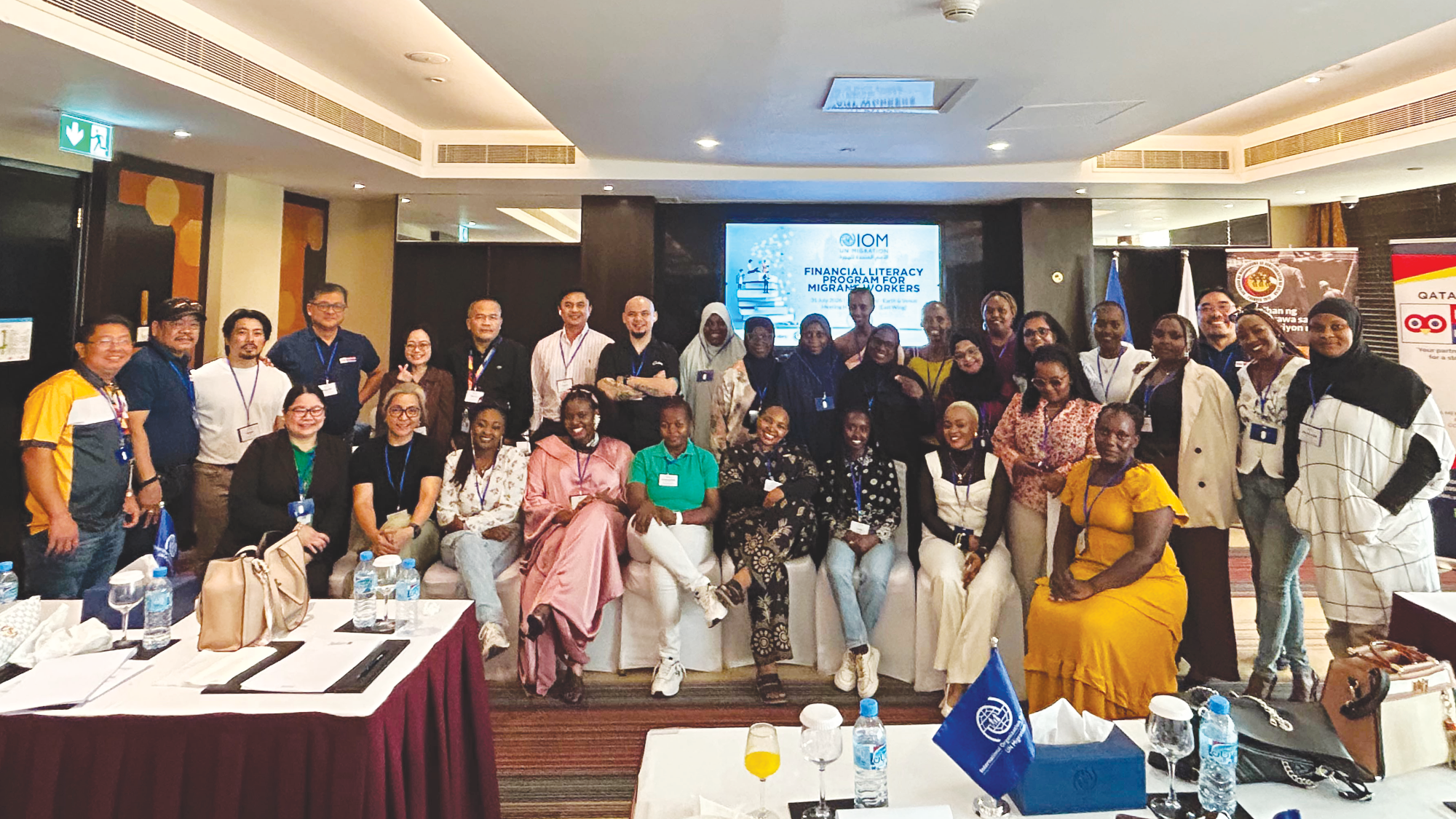
Photo by: Mavs Ardeza
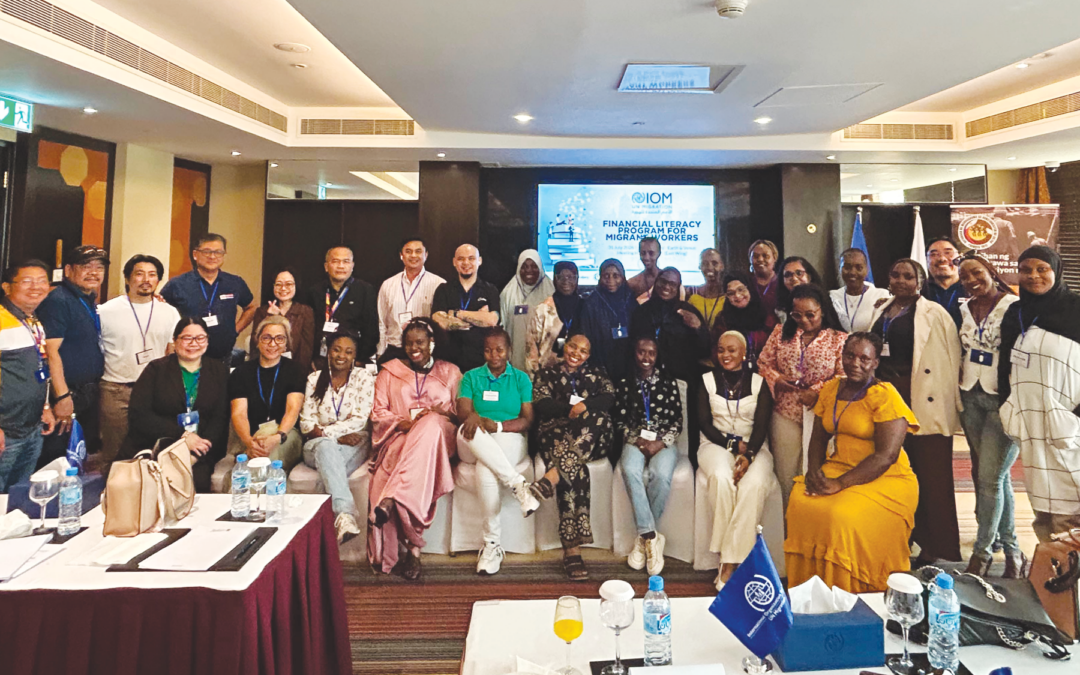
To help bridge that gap, dozens of foreign workers gathered at the Radisson Blu Doha on July 31 for an interactive, full-day financial workshop organized by the UN’s International Organization for Migration (IOM) Qatar Office.
The venue was filled with a diverse cross-section of Qatar’s workforce—from healthcare staff and hospitality workers to security guards, teachers, and domestic workers. Attendees travelled from across the globe, originating from India, Kenya, Nigeria, the Philippines, and Uganda.
“I don’t need to wait to start saving—it should start now,” reflected one participant during the interactive exercises, capturing the general mood of the room.
The workshop was facilitated by community groups including the Bayanihan ng Manggagawa sa Konstruksiyon ng Qatar (BMKQ), the Overseas Filipino Investors and Entrepreneurs Movement (OFIE-M), and PinoyWISE International Qatar.
Steering clear of dry financial theory, the training grounded itself in practical, real-world advice. Facilitator Engr. Ressie Fos urged participants to reconnect with their original motivation for working in Qatar, reminding them that their families’ dreams should serve as their guiding light. To stay on track, he emphasized smart financial management—specifically distinguishing needs from wants to cut daily expenses and boost intentional monthly savings. To drive the point home, he illustrated how disciplined budgeting directly impacts the timeline required to fund and build a dream home back home.
Subsequent sessions turned money management into a simple habit. Presenter Engr. Jason Quizon challenged traditional spending order by introducing a savings-first formula: setting aside personal savings and remittances before calculating daily living expenses.
Meanwhile, trainers Edgardo Alcantara and Aris Riparip tackled debt traps, credit card pitfalls, and goal-setting—capping the day off with a “seven-day action challenge” to encourage participants to take their first real financial step within a week.
The approach appeared to resonate. In post-workshop surveys, 93.3 percent of evaluated participants strongly agreed that the day helped them better understand budgeting, remittance planning, and smart spending.
While organizers noted minor hiccups—such as managing participant punctuality and a long walk to the lunch venue—the overall sentiment was overwhelmingly positive.
For community groups like BMKQ, the event highlighted the power of practical education.
“United by shared values and common aspirations, we embrace this collaboration,” the group said, adding that empowering workers with financial independence remains a vital, ongoing mission in Qatar.